The Universal Language of Music
Since the dawn of civilization, music has functioned as an essential pillar of human existence. It acts as a profound universal language, seamlessly bridging gaps between different eras, geographical borders, and distinct dialects. From the earliest tribal rhythms to today’s complex symphonies, melody and rhythm offer a unique avenue to convey profound sorrow, boundless joy, and unbreakable resilience, touching the human spirit in ways words alone simply cannot capture.
Historically, communities have relied on musical expression to anchor their most sacred ceremonies and joyous celebrations. It is a vital tool for storytelling, allowing generations to safeguard their cultural heritage and pass down core values. Even modern science supports this ancient wisdom, demonstrating how specific harmonies can alleviate stress, elevate our moods, and sharpen our memories, cementing music’s role as a cornerstone of daily life.
A Timeless Classic in a Modern World
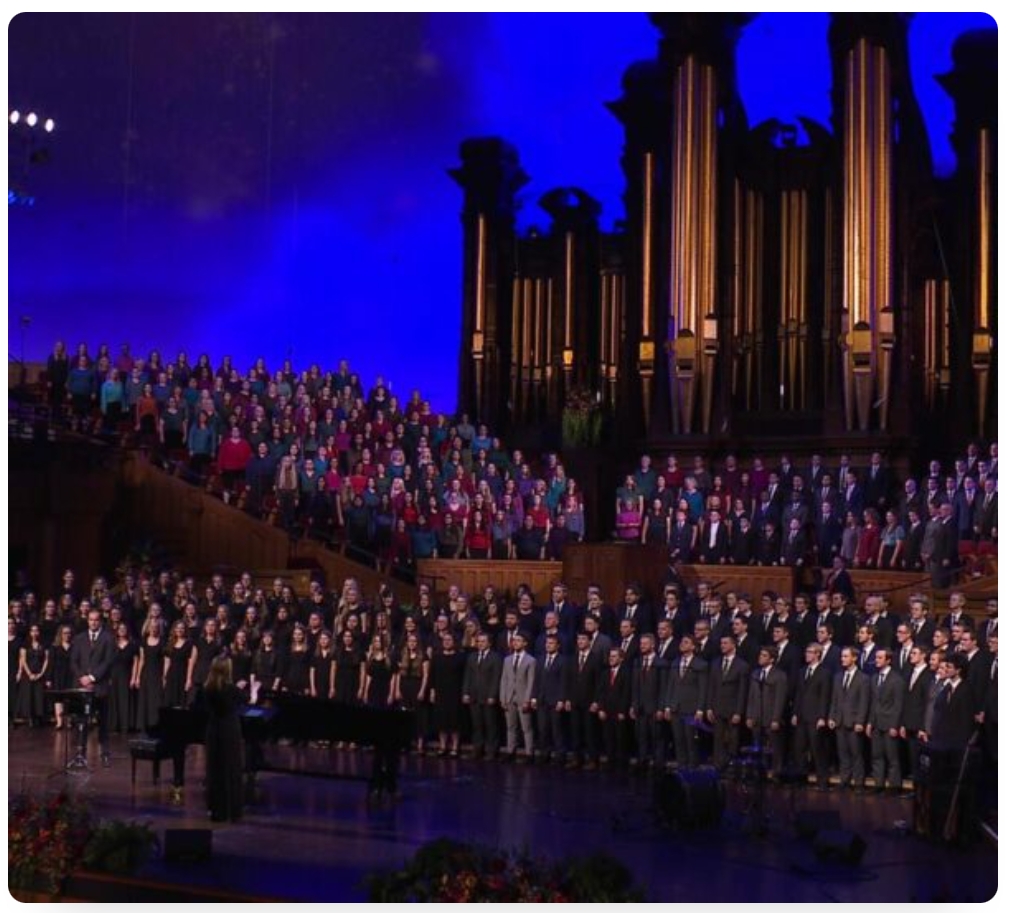
In an era where streaming platforms flood our devices with thousands of new tracks every single day, it is incredibly rare for a composition to endure the test of time. The songs that do survive aren’t propelled by fleeting viral trends or massive marketing budgets; they endure because of their authentic emotional resonance and their capacity to connect with the deepest parts of the human experience.
Perhaps the most extraordinary example of this lasting power is the legendary hymn “Amazing Grace.” For centuries, this masterpiece has crossed cultural lines and adapted to countless musical genres, easily securing its status as one of the most universally recognized and cherished songs ever documented in human history.

The History of John Newton
The profound lyrics of “Amazing Grace” were penned in 1772 by an English poet and Anglican clergyman named John Newton. His personal biography adds a rich, complicated layer to the song’s ultimate meaning. Once deeply involved in the horrors of the transatlantic slave trade, Newton eventually experienced a massive spiritual awakening. This dramatic shift in his moral compass inspired him to draft the hymn as a deeply personal meditation on divine forgiveness, profound redemption, and unmerited grace.

Interestingly, the iconic melody we immediately associate with “Amazing Grace” today was not part of Newton’s original creation. It was paired with his poignant lyrics decades after they were written, forming the legendary arrangement that echoes across the globe today.
Evolution and Adaptability
As the decades rolled on, the hymn found its way into an astonishing variety of musical genres. Whether performed as a rousing gospel anthem, a gentle folk tune, or a sweeping classical orchestration, the song retains its immutable emotional core. Its universal message of hope and salvation makes it a go-to source of comfort during periods of intense hardship, offering listeners a sanctuary of reflection and inner strength through its brilliant simplicity.
Consequently, “Amazing Grace” has been woven into the fabric of significant historical events, serving as the soundtrack for public memorials, national days of mourning, and intimate community vigils. Its straightforward, unhurried progression makes it wonderfully accessible for musicians of any skill level, ensuring its continued ubiquity.

The Power of the Bagpipes
Among the thousands of ways this song has been interpreted, performances featuring bagpipes have carved out a uniquely iconic space. We typically associate this specific pairing with solemn tributes, military honors, and traditional memorial services. The rich, haunting resonance of the bagpipes naturally amplifies the hymn’s themes of deep reverence and nostalgic reflection.
When performed on a massive scale—such as a battalion of bagpipers marching together—the auditory experience becomes entirely immersive. Many of the most breathtaking renditions begin with a lone, solitary piper cutting through the silence. This quiet, reflective introduction allows the audience to internalize the melody on a deeply personal level before the arrangement swells.
Slowly, the rest of the ensemble joins the solo player. The crescendo of hundreds of pipes harmonizing together creates a wall of sound that is both dramatic and overwhelmingly emotional. Pulling off such a massive, synchronized performance requires immense discipline and masterful artistry. The striking visual of hundreds of musicians standing shoulder-to-shoulder only deepens the impact, symbolizing profound unity and shared cultural pride.
A Lasting Legacy
For the listeners present at these grand performances, the reaction is almost always visceral. The music routinely brings audiences to tears, evoking a complex mixture of nostalgia, profound gratitude, and peaceful reflection. You do not need to know John Newton’s history to feel the weight of the song; its sheer melodic power transcends background knowledge, proving its universal accessibility.
In a rapidly shifting cultural landscape, the unbroken popularity of “Amazing Grace” proves that truly meaningful art is immortal. Its straightforward nature prevents the message from being drowned out by over-production, a stark contrast to many modern hits. At the same time, it remains highly adaptable, allowing modern artists to continually breathe new life into it for younger generations.
Educators frequently utilize the hymn to teach fundamental concepts of harmony and emotional delivery, ensuring its legacy is protected in the classroom. From grand cinematic moments to quiet church pews, the song bridges the gap between performer and audience like nothing else.
Digital platforms have only amplified its reach, allowing someone in one corner of the globe to instantly experience a breathtaking bagpipe rendition recorded in another. Yet, despite the technological leaps of the modern age, the core essence of the hymn is completely unchanged. “Amazing Grace” remains a brilliant testament to the fact that authentic, emotionally honest music will forever hold the power to uplift, connect, and inspire humanity.