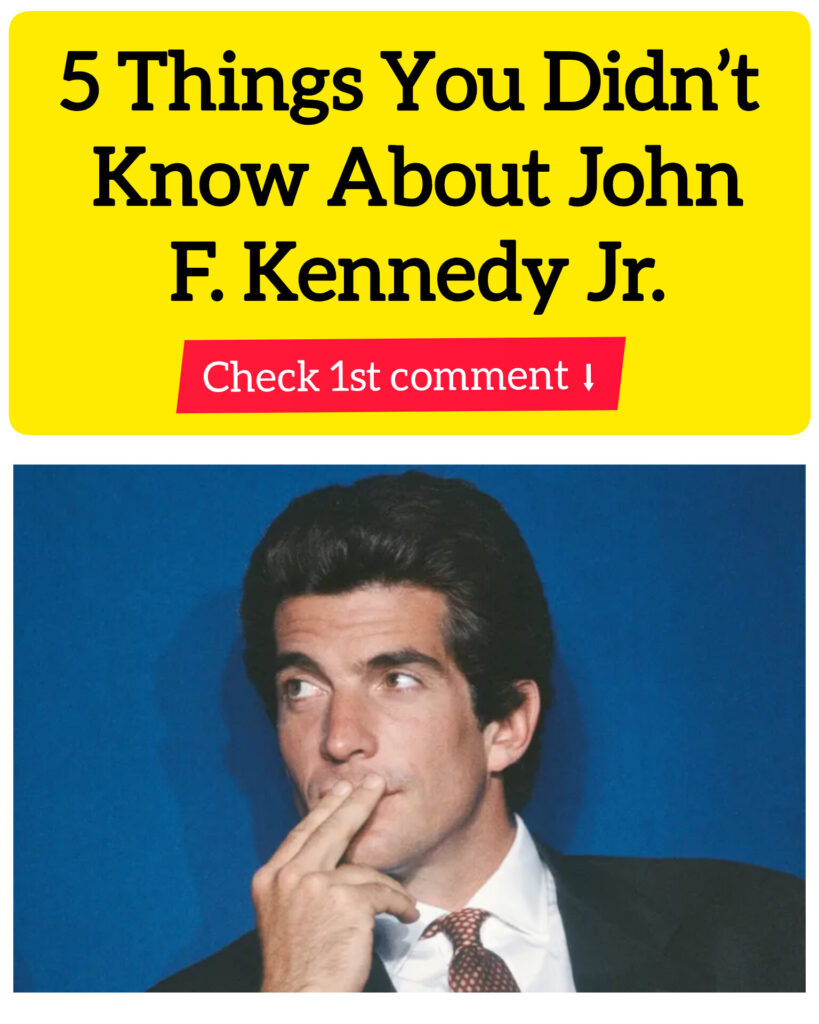
1. A Life Lived in the Spotlight, Yet Deeply Private
John F. Kennedy Jr. was born into global attention just days after his father, John F. Kennedy, won the presidency. From childhood moments in the White House to his iconic salute at his father’s funeral, his life was constantly observed. Despite this, many aspects of his personality and personal struggles remained hidden, even as media followed his education, relationships, and later years until his tragic death in 1999.
2. A Playful Personality with a Talent for Imitation
Behind the serious public image, John had a humorous and lively side. He was known for being a talented mimic, especially famous among friends for his spot-on impression of Arnold Schwarzenegger. Inspired partly by family connections, he often entertained those around him with exaggerated accents and jokes, showing a lighthearted charm that many outside his inner circle rarely saw.
3. Meaningful Friendships with Influential Figures
John formed close relationships with notable personalities, including actor Paul Newman. Their bond was built on shared values like humility, humor, and public service. Together, they even collaborated on charitable initiatives such as the Newman’s Own George Awards. Their friendship reflected John’s deeper character—someone who valued purpose and connection beyond fame.
4. Bold Creative Choices and Family Tensions
As founder of George magazine, John aimed to blend politics with pop culture. One controversial moment came when he approved a cover featuring Drew Barrymore styled as Marilyn Monroe, referencing Monroe’s famous performance for his father. While John defended the decision as artistic expression, it sparked criticism and even upset his sister, revealing occasional tensions within the family over public representation.
5. A Future in Politics That Was Never Realized
Though often avoiding direct answers about politics, John had long-term ambitions. In his final days, he reportedly considered running for governor of New York, possibly as a step toward a larger political future. His sudden death in a plane crash ended those plans, leaving many to wonder how differently American politics might have evolved if he had lived to fulfill his aspirations.