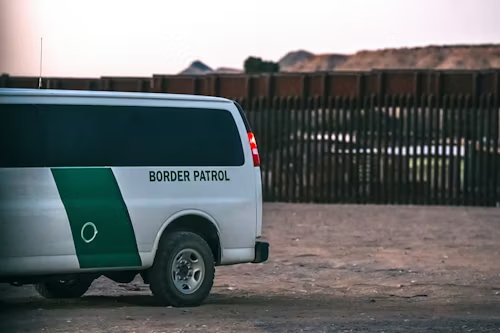
A major political storm is brewing in the United States as former President Donald Trump pushes forward an aggressive expansion of the U.S.-Mexico border wall. The project, backed by billions in federal funding, is being described as one of the largest infrastructure and immigration enforcement efforts in recent history.
The new plan, often referred to as a “Smart Wall,” includes over 1,300 miles of physical barriers combined with advanced surveillance technology. Construction is already moving rapidly, with reports suggesting miles of wall are being built each week. Supporters argue this is necessary for national security and border control.
However, the project has triggered intense backlash from environmental groups, local communities, and Indigenous leaders. Critics warn that the expansion is damaging protected lands, wildlife habitats, and culturally significant areas. National parks and fragile ecosystems near the border are reportedly at risk due to construction activity.
Adding to the controversy, the administration has used legal powers to bypass environmental regulations, allowing construction to move forward without standard reviews. This decision has raised serious concerns about government transparency and accountability, with opponents calling it a dangerous precedent.
Even some local officials and border residents are expressing concern. While some support stronger border enforcement, others fear long-term economic and environmental damage, especially in tourism-dependent regions. The debate is now dividing communities as much as it is dividing politicians in Washington.
As the 2026 elections approach, this issue is becoming a central political battleground. Immigration, environmental protection, and federal authority are once again clashing—leaving voters to decide which direction the country should take next.